
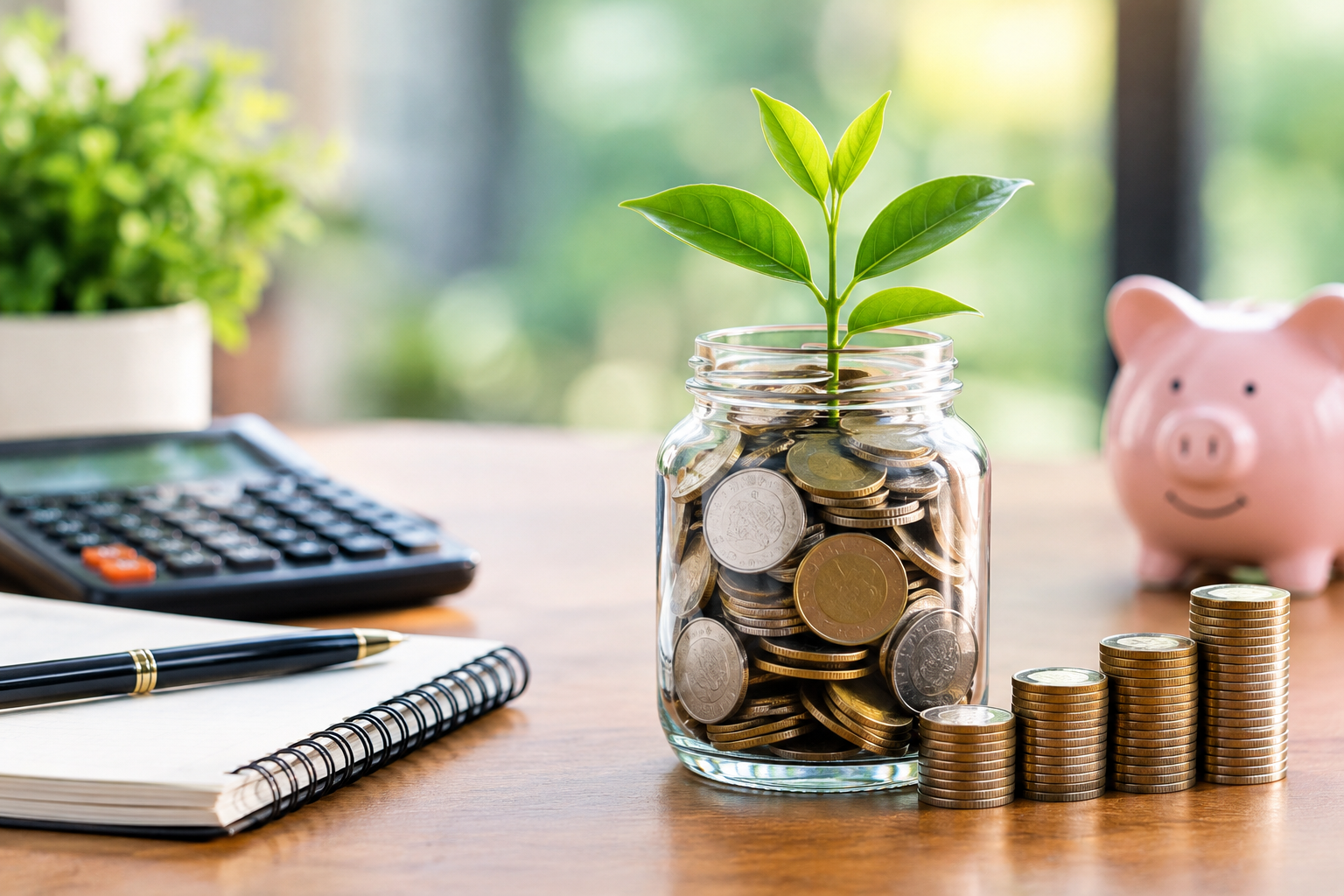
Saving money is an important step toward financial stability, but keeping your money in an account that earns little or no interest may limit its growth. A high savings yield account offers a practical way to earn interest on your savings while keeping your funds accessible for future needs. Whether you are building an emergency fund, preparing for a major purchase, or planning for long-term financial security, choosing the right savings account can make a meaningful difference.
What Is a High Savings Yield Account?
A high savings yield account is a savings account designed to provide a competitive interest rate compared with traditional savings accounts. These accounts help your balance grow over time by paying interest on the money you deposit.
The term yield refers to the return you earn on your savings. Depending on the financial institution, an account may advertise an annual percentage yield (APY), which reflects the effect of compounding interest over a year.
For example, an account offering a higher APY may help your savings grow faster than an account with a lower rate, assuming the same balance, fees, and deposit activity.
How Does a High Savings Yield Account Work?
The process is relatively straightforward. You deposit money into the account, and the bank pays interest according to its terms. Your interest earnings may then become part of your balance and generate additional interest through compounding.
Consider a simple example. If you deposit $5,000 into an account earning a hypothetical 4% APY and make no additional deposits or withdrawals, your balance could grow to approximately $5,200 after one year.
This example assumes the rate remains unchanged, there are no fees, and interest compounds according to the advertised APY. Actual earnings depend on the account’s terms and applicable taxes.
Key Benefits of a High Savings Yield Account
1. Earn More on Your Savings
One of the main advantages is the opportunity to earn more interest than you might receive from a low-rate savings account. Even a modest difference in rates can become meaningful as your balance grows.
2. Keep Your Money Accessible
Unlike some long-term investments, many savings accounts allow you to access your funds when needed. This makes them useful for emergency expenses, upcoming bills, and short-term financial goals. However, transfer limits and withdrawal conditions may apply.
3. Benefit From Compound Interest
Compound interest allows your savings to earn returns on previously accumulated interest. The longer your money remains in the account, the more opportunity it has to grow, provided the interest rate and account conditions remain favorable.
4. Build an Emergency Fund
An emergency fund can help cover unexpected costs, such as car repairs, medical bills, or temporary income loss. A competitive-yield savings account can help you earn interest while keeping this money separate from everyday spending.
5. Support Your Financial Goals
Whether you are saving for education, a holiday, a home deposit, or a future purchase, a high-yield account can help you organize your money and make steady progress without taking the same market risks associated with stocks.
What to Look for When Choosing an Account
Not every account advertising a high interest rate offers the same value. Before opening one, compare the following features.
Annual percentage yield: Check the APY rather than focusing only on the advertised interest rate. APY provides a more useful basis for comparing accounts that compound interest differently.
Monthly maintenance fees: Fees can reduce your earnings. Look for accounts with no monthly maintenance fee or clear ways to avoid one.
Minimum balance requirements: Some institutions require an opening deposit or a minimum balance to qualify for the highest yield. Make sure these requirements fit your budget.
Access to funds: Review withdrawal policies, transfer speeds, ATM access, and any restrictions on how frequently you can move money.
Rate changes: Many high-yield savings accounts have variable rates. The advertised yield may increase or decrease as market conditions and the bank’s policies change.
Deposit protection: Verify whether the institution and account qualify for the applicable government-backed deposit protection scheme. Coverage depends on the country, institution, account type, and eligible deposit amount.
High-Yield Savings Account vs. Traditional Savings Account
A traditional savings account provides a place to store money and may offer convenient access through an existing bank relationship. A high-yield savings account serves the same basic purpose but focuses on offering a more competitive return.
The key differences usually involve the interest rate, fees, minimum balance, and account accessibility. Some high-yield accounts are available through online banks, while others are offered by traditional financial institutions.
Neither account is automatically better for everyone. The right choice depends on how much you plan to save, how frequently you need access to your funds, and which account offers the best combination of yield, convenience, and protection.
Who Should Consider a High Savings Yield Account?
A high savings yield account may be suitable for people who want to earn interest without committing their money to a long-term investment.
It can be particularly useful for:
- New savers who want to establish a consistent saving habit.
- Families preparing for planned expenses or unexpected emergencies.
- Professionals building a financial safety net.
- Short-term planners saving for travel, education, or a large purchase.
- Conservative savers who prioritize liquidity and eligible deposit protection over potentially higher investment returns.
People who need a guaranteed rate for a specific period may also want to compare fixed-term deposit products, although these can have different access restrictions and early withdrawal penalties.
Tips to Maximize Your Savings Returns
Getting the most from your savings involves more than simply choosing an account with an attractive headline rate.
First, compare several institutions and review their full account terms. A slightly lower yield with no fees and easier access may be more valuable than a higher advertised rate with restrictive conditions.
Second, automate regular deposits when possible. Adding money consistently can increase your balance and help you develop better financial habits.
Third, review your account periodically. If your bank reduces its rate or introduces new fees, another suitable account may offer better value.
Finally, avoid withdrawing money unnecessarily. Keeping your savings in the account for longer gives your balance more time to earn interest. At the same time, maintain enough readily available money for essential expenses.
Common Mistakes to Avoid
A common mistake is choosing an account based entirely on its advertised yield without checking eligibility requirements. Promotional rates may apply only to new customers, limited balances, or a specific introductory period.
Another mistake is overlooking fees, transfer restrictions, and minimum balance rules. These conditions can reduce the practical benefit of a competitive interest rate.
It is also important not to confuse savings accounts with investments that offer potentially higher returns but carry a risk of losing money. A savings account is generally intended for cash savings, not aggressive wealth building.
Is a High Savings Yield Account Worth It?
For people who want their savings to earn interest while remaining reasonably accessible, a high savings yield account can be a useful financial tool. It combines the potential for interest earnings with the convenience of a dedicated place to keep money for emergencies and future goals.
However, the best account is not necessarily the one with the highest advertised rate. Fees, deposit protection, withdrawal conditions, rate stability, and your personal financial needs all matter.
Take time to compare available options and read the account terms before making a decision. A well-chosen savings account, combined with regular contributions and careful financial planning, can help you make better use of the money you already have.
Final Thoughts
A high savings yield account can help turn saving into a more productive financial habit. By selecting a competitive rate, minimizing fees, making consistent deposits, and keeping your goals in focus, you can give your money more opportunity to grow.
Start by evaluating your savings needs and comparing reputable financial institutions. Small, consistent steps can make a difference over time, helping you build greater financial confidence and prepare for future expenses.
