
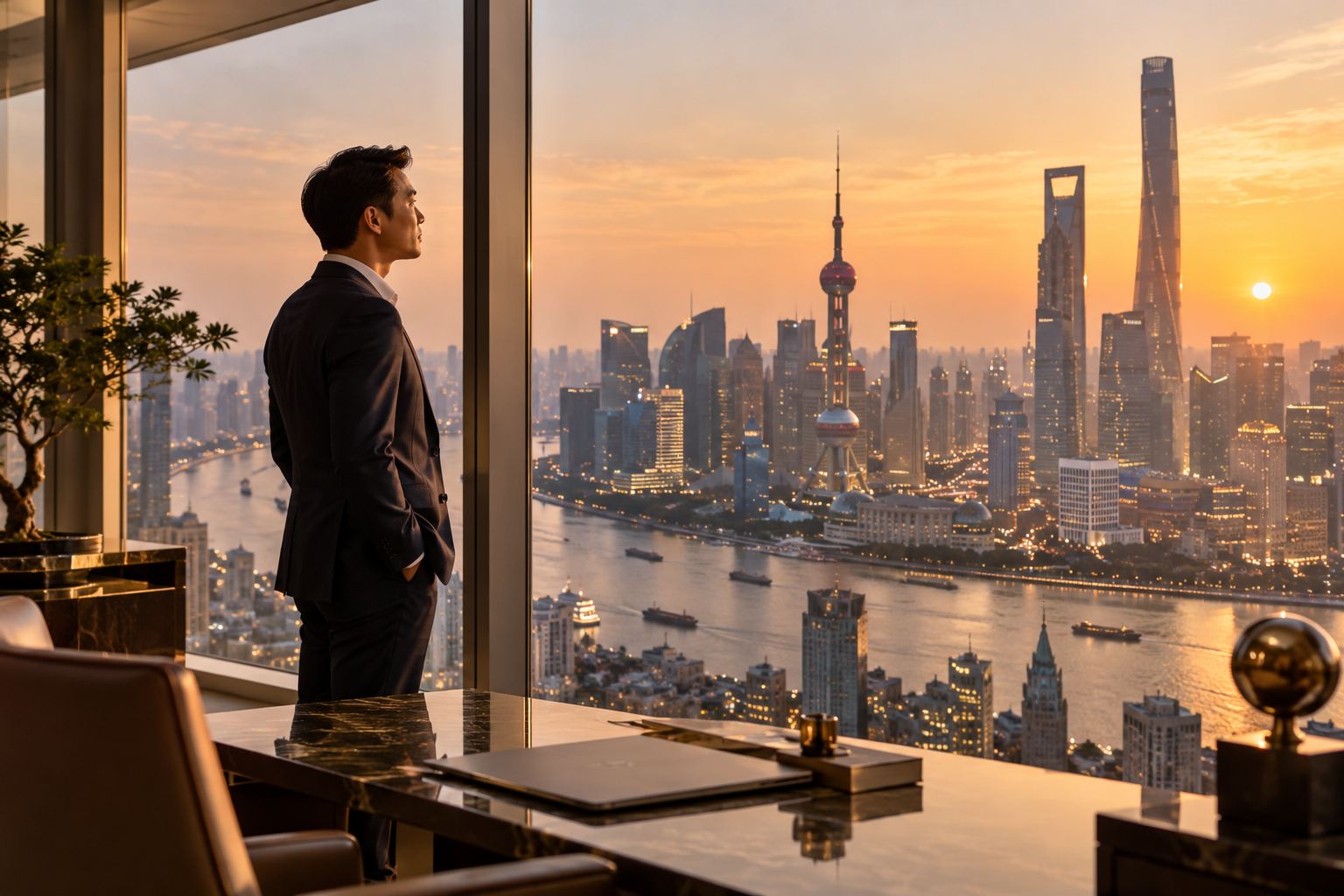
The phrase wealthy people in China describes a diverse group, from business founders and investors to property owners, technology leaders, and families who have built wealth over several generations. Their backgrounds and lifestyles vary widely, but many have benefited from the country’s rapid economic growth and changing business landscape.
How Wealth Is Built
Entrepreneurship is one of the best-known routes to wealth in China. Some affluent individuals started companies in manufacturing, retail, logistics, technology, or consumer services. Others grew existing family businesses or invested early in companies that later expanded.
China’s large domestic market has also created opportunities for businesses to serve millions of customers. Online shopping, digital payments, mobile services, and delivery networks have changed how people buy goods and access services. Entrepreneurs who understood these shifts were able to build companies around new habits and needs.
Real estate has also played a major role in wealth creation. Over several decades, urban growth and demand for housing and commercial property gave many investors and developers opportunities to grow their assets. However, property markets can change, and ownership does not guarantee steady returns. Investors may face falling prices, debt, or changing regulations.
A Wide Range of Wealth
China’s wealthy population is not a single, uniform group. Some people have built fortunes through public companies, while others hold private businesses, property, or financial investments. In major cities, affluent households may include business owners, senior professionals, investors, and people who inherited assets.
Their circumstances also differ by region. Large coastal cities such as Shanghai and Shenzhen are known for finance, technology, trade, and business services. Other areas have their own sources of prosperity, including manufacturing, energy, agriculture, and tourism. As a result, wealth can look very different from one province or city to another.
Lifestyle and Spending
Affluent people in China may spend on education, travel, healthcare, homes, and cultural experiences. Some choose luxury goods, while others focus on preserving family wealth or supporting a business. Younger wealthy consumers may be interested in technology, design, fitness, and international travel, though personal preferences vary.
Family often plays an important role in financial decisions. Parents may invest in their children’s education or help them buy a home. Some families also pass businesses and assets to the next generation, while others encourage younger relatives to develop careers of their own.
Changing Opportunities
The ways people build and protect wealth continue to evolve. New industries can create opportunities, while competition, economic conditions, and policy changes can affect businesses and investments. For wealthy households, managing risk may be just as important as earning more. Many diversify across different assets, seek professional advice, and plan for the future.
Understanding wealthy people in China means looking beyond luxury shopping or impressive fortunes. Their stories reflect entrepreneurship, family decisions, regional development, and shifts in the economy. There is no single path to becoming wealthy, and each person’s experience depends on the choices they make and the opportunities available to them.
