
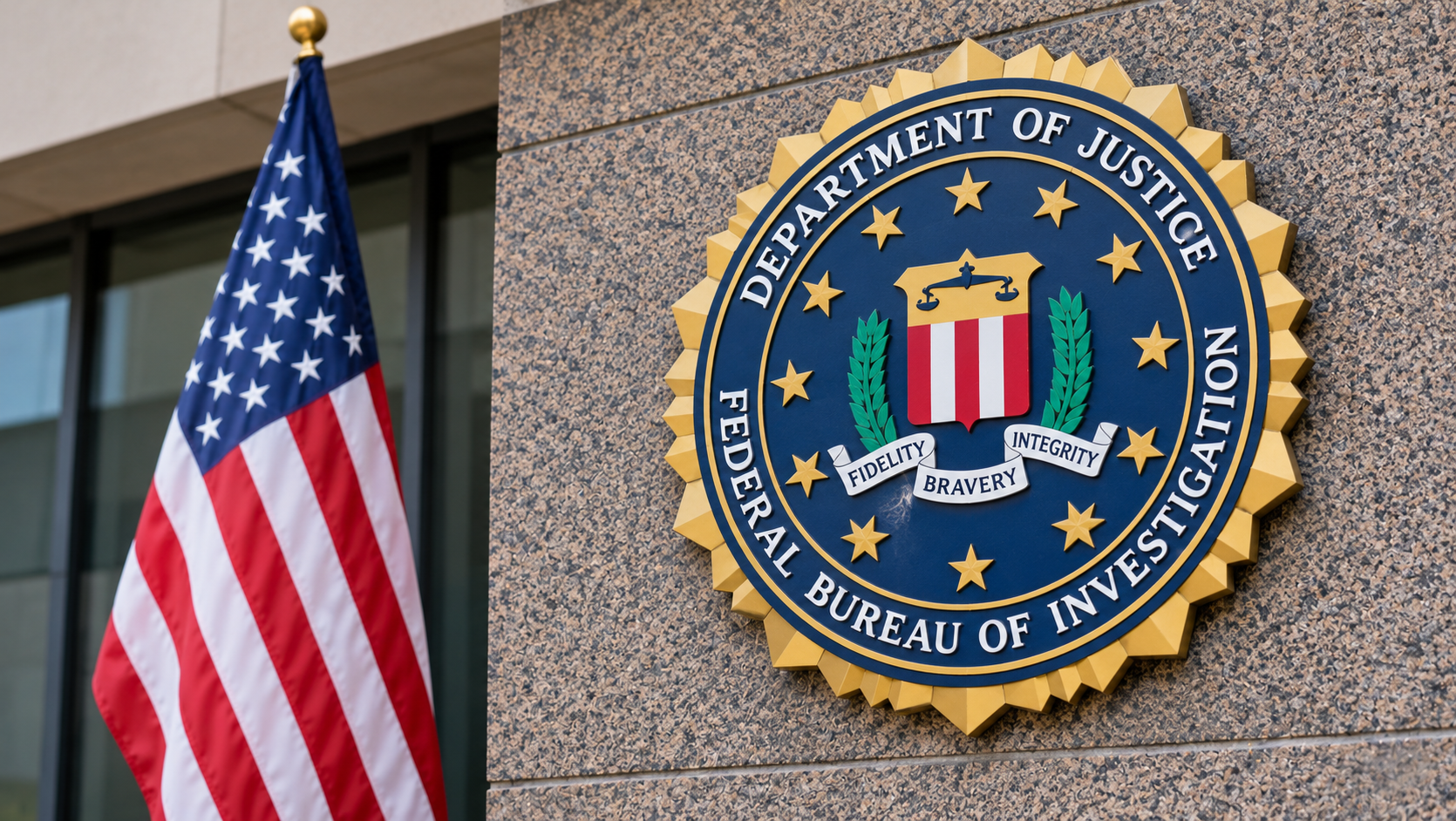
The FBI director salary attracts considerable attention because the position carries enormous responsibility for national security and federal law enforcement. As the leader of the Federal Bureau of Investigation, the director oversees major criminal investigations, counterterrorism operations, and intelligence activities across the United States.
Although the position is among the most influential in American law enforcement, its compensation follows an established federal government pay structure.
What Is the FBI Director Salary?
The FBI director salary is set at $228,000 annually for 2026, based on Level II of the federal Executive Schedule.
This compensation is established through federal law rather than individual salary negotiations.
The position falls under the Executive Schedule, which determines basic salaries for high-ranking government officials.
Unlike private-sector executives, the FBI director does not negotiate compensation based on corporate profits or company performance.
FBI Director Salary Breakdown
The annual base salary can be divided into monthly, weekly, and daily equivalents.
| Salary Period | Amount |
|---|---|
| Annual salary | $228,000 |
| Monthly salary | $19,000 |
| Biweekly salary | $8,769.23 |
| Weekly salary | $4,384.62 |
| Daily equivalent | $876.92 |
These figures represent gross salary estimates before federal taxes, applicable deductions, and benefit contributions. The daily equivalent assumes 260 workdays annually.
Who Is the Current FBI Director?
Kash Patel became the ninth director of the Federal Bureau of Investigation on February 20, 2025.
Before becoming director, Patel worked in national security, federal prosecution, and government advisory positions.
As FBI director, he leads an organization responsible for investigating federal crimes and protecting the country against major security threats.
The director works closely with the Department of Justice and other federal agencies.
What Does the FBI Director Do?
The FBI director oversees numerous responsibilities involving national security and criminal investigations.
Important duties include:
- Supervising federal criminal investigations.
- Overseeing counterterrorism and counterintelligence activities.
- Managing FBI personnel and organizational priorities.
- Coordinating with national and international law enforcement agencies.
- Providing information to government officials about major security concerns.
These responsibilities require extensive leadership, legal knowledge, and national security experience.
Does the FBI Director Receive Additional Benefits?
Besides the annual FBI director salary, the position generally offers access to federal employee benefits, subject to applicable eligibility rules.
Potential benefits include health insurance, retirement coverage, paid leave, and other federal employment programs.
Official travel and security arrangements may also be provided for government responsibilities.
However, these work-related resources should not be confused with personal salary or additional cash compensation.
How Long Can an FBI Director Serve?
The FBI director is appointed by the President of the United States and confirmed by the Senate.
Federal law establishes a ten-year term for the position, although directors may leave office or be removed before completing that period.
The extended term is intended to support continuity and institutional independence across presidential administrations.
How Does the FBI Director Salary Compare?
The FBI director’s compensation is higher than the salaries of many federal government employees.
However, senior executives at major private corporations may earn substantially more through bonuses, stock awards, and other financial incentives.
The FBI director’s role is different because compensation is determined by public-sector rules rather than business revenue.
The FBI director salary reflects the responsibilities of a senior federal official leading one of America’s most important law enforcement agencies.
While the annual compensation is substantial, the position’s greatest significance lies in its responsibility for protecting national security, enforcing federal laws, and maintaining public trust.
