
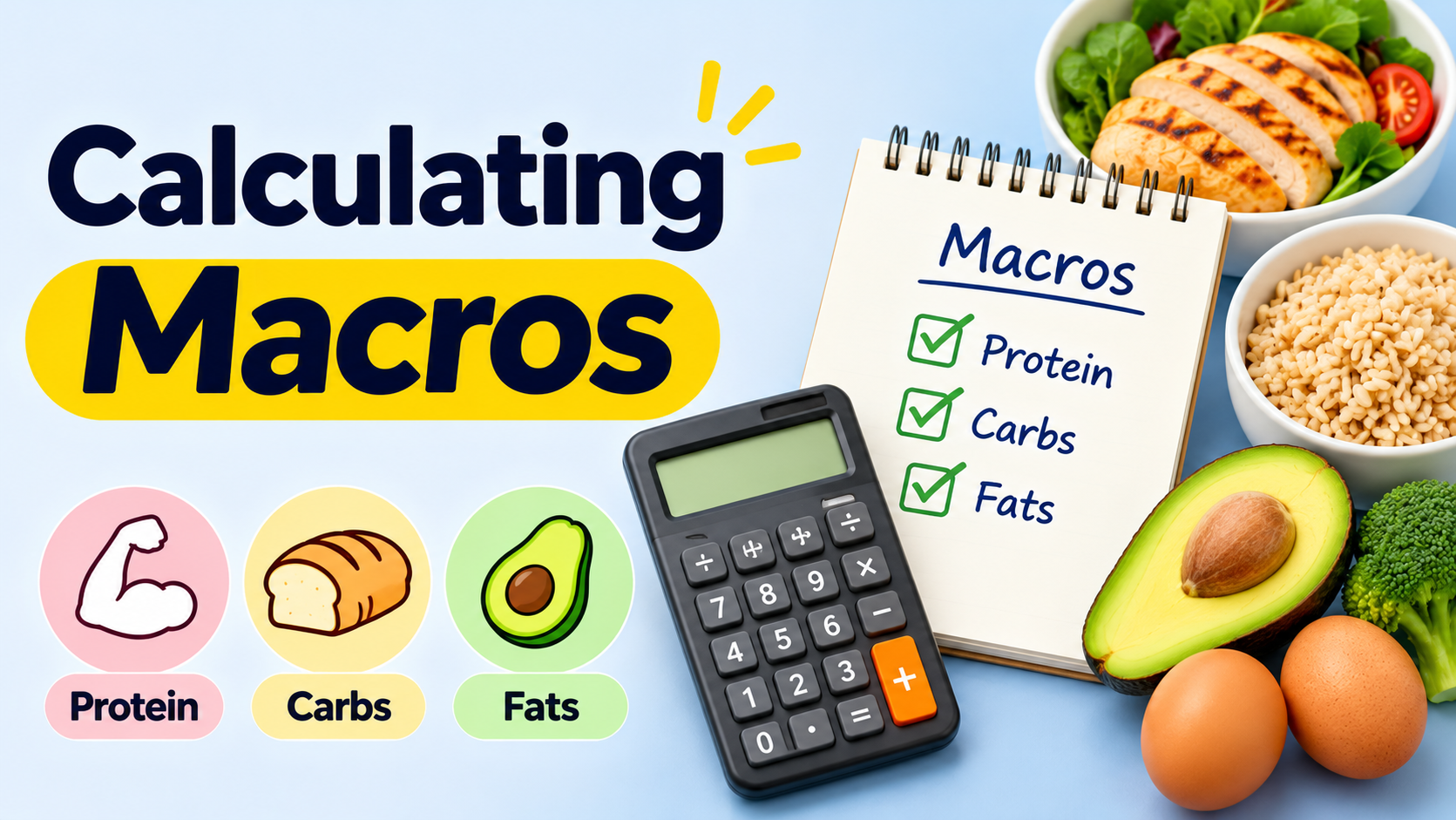
Eating healthy can feel confusing when you’re unsure how much protein, carbohydrates, and fat your body needs. Without a clear plan, reaching fitness or nutrition goals becomes difficult. Calculating macros offers a practical way to understand your daily food intake and build balanced meals. Whether your goal is weight management, muscle development, or healthier eating habits, learning how macronutrients work can make nutrition planning easier.
What Are Macros?
Macros, short for macronutrients, are nutrients your body requires in relatively large amounts.
The three main macronutrients are:
- Protein: Supports muscle repair, tissue growth, and normal body functions.
- Carbohydrates: Provide energy for daily activities, exercise, and brain function.
- Fats: Support hormone production, cell health, and vitamin absorption.
Each macronutrient provides a different amount of energy.
How Many Calories Are in Each Macro?
Understanding calorie values is essential when calculating macros.
| Macronutrient | Calories Per Gram |
|---|---|
| Protein | 4 calories |
| Carbohydrates | 4 calories |
| Fat | 9 calories |
For example, 20 grams of protein provide approximately 80 calories, while 10 grams of fat provide 90 calories.
These values help you convert calorie targets into daily macronutrient amounts.
How to Calculate Macros Step by Step
Step 1: Determine Your Daily Calorie Needs
Start by estimating your daily calorie requirements based on age, body size, activity level, and nutritional goals.
Your calorie needs may differ depending on whether you want to maintain weight, build muscle, or manage body composition.
Step 2: Choose Your Macro Percentages
Next, decide how to distribute calories among protein, carbohydrates, and fats.
For illustration, a balanced distribution could include:
- 25% protein
- 45% carbohydrates
- 30% fats
These percentages total 100%. Individual requirements vary, so this example is not a universal recommendation.
Step 3: Convert Calories Into Grams
Suppose your estimated daily energy requirement is 2,000 calories.
Protein calculation:
2,000 × 25% = 500 calories
500 ÷ 4 = 125 grams of protein
Carbohydrate calculation:
2,000 × 45% = 900 calories
900 ÷ 4 = 225 grams of carbohydrates
Fat calculation:
2,000 × 30% = 600 calories
600 ÷ 9 = approximately 67 grams of fat
Your daily macro targets would therefore be approximately 125 grams of protein, 225 grams of carbohydrates, and 67 grams of fat.
Best Foods for Meeting Your Macro Goals
Choose nutritious foods from different food groups.
Protein sources: Eggs, chicken, fish, lentils, beans, and Greek yogurt.
Carbohydrate sources: Oats, rice, potatoes, fruits, vegetables, and whole grains.
Healthy fat sources: Avocados, nuts, seeds, olive oil, and fatty fish.
A varied diet also provides important vitamins, minerals, and fiber.
Common Mistakes When Calculating Macros
Avoid focusing exclusively on numbers while ignoring food quality.
Other common mistakes include estimating serving sizes incorrectly, forgetting cooking oils and sauces, and following calorie targets that do not match personal needs.
Tracking apps and nutrition labels can improve accuracy, although calculations remain estimates.
Final Thoughts
Calculating macros can help you better understand your nutritional intake and make informed food choices.
Start with realistic targets, prioritize nutritious foods, and adjust your approach according to your individual needs.
Consistency and flexibility matter more than achieving perfect numbers every day.
