
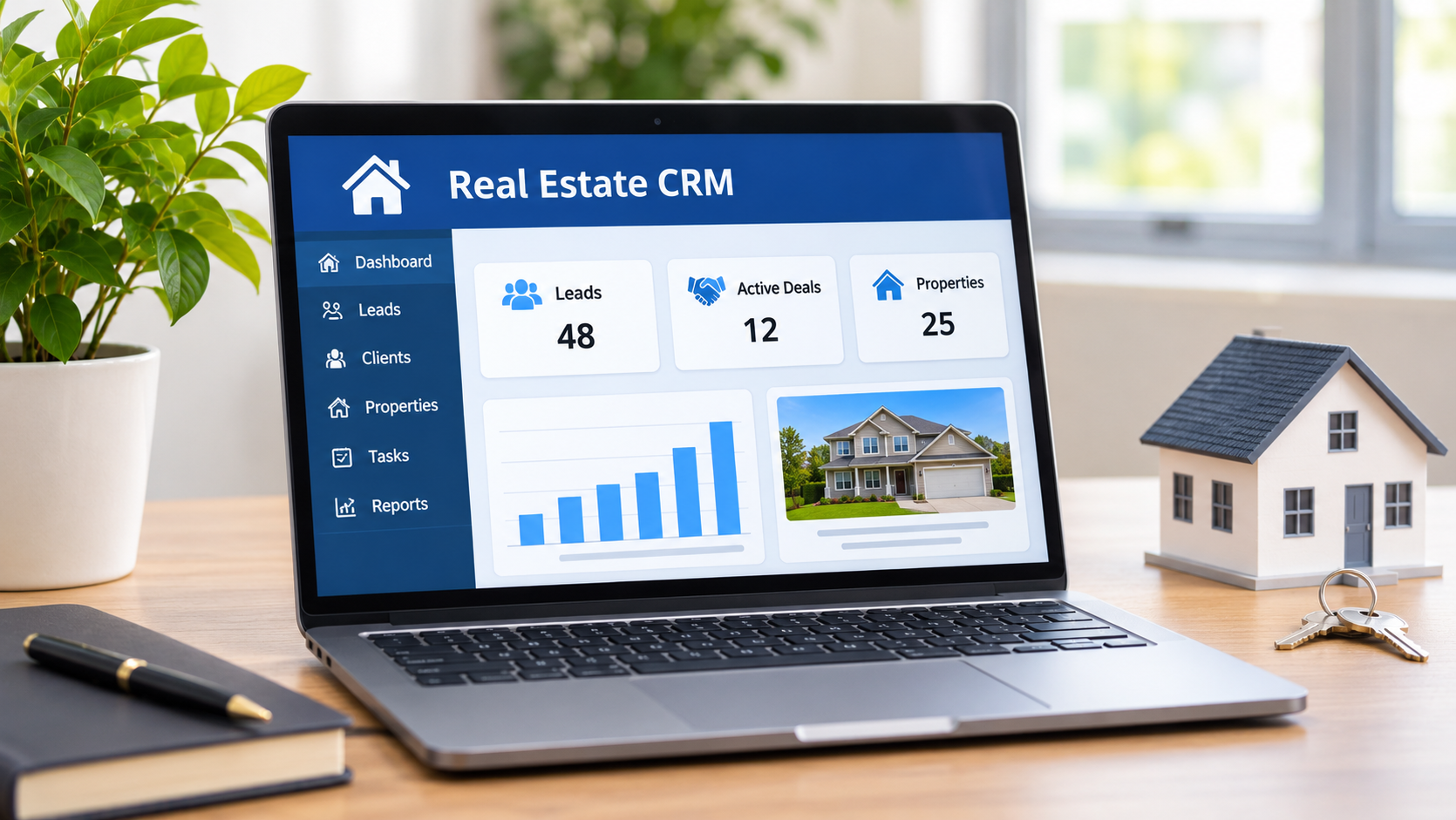
The real estate industry depends on strong customer relationships, organized information, and timely communication. Managing multiple clients, property listings, and sales opportunities can become challenging without the right technology. Understanding the benefits in real estate after using CRM helps agents and property businesses improve efficiency and deliver better customer experiences.
A Customer Relationship Management (CRM) system organizes customer information, automates routine tasks, and helps real estate professionals manage their sales activities from one platform.
1. Better Lead Management
One of the biggest benefits of using CRM in real estate is improved lead management.
Real estate agents receive inquiries from websites, social media, advertisements, and property portals. A CRM system collects and organizes these leads, making them easier to track.
Agents can monitor potential buyers, schedule follow-ups, and identify promising sales opportunities without losing important customer information.
2. Improved Customer Relationships
Successful real estate businesses depend on trust and communication.
CRM software stores customer preferences, contact details, property interests, and previous conversations.
This information allows agents to offer personalized recommendations and respond more effectively to customer needs.
Maintaining consistent communication can strengthen relationships and encourage repeat business.
3. Automated Follow-Ups and Reminders
Following up with potential buyers and sellers is essential for closing property deals.
CRM systems can automate reminders, appointment notifications, and selected communication activities.
Instead of manually tracking every conversation, agents can use scheduled tasks to stay connected with clients.
Automation helps reduce missed opportunities and allows professionals to focus on meaningful interactions.
4. Faster Sales Process
Another important advantage of CRM software is improved sales pipeline management.
Agents can track customer inquiries, property visits, negotiations, and pending transactions through organized dashboards.
This visibility helps identify delays and prioritize activities that move deals forward.
With accurate information available in one place, real estate teams can work more efficiently.
5. Better Property and Client Organization
Managing numerous properties and clients requires careful organization.
A real estate CRM can connect customer requirements with available property listings, depending on the platform’s features.
Agents can quickly review preferences, budgets, property locations, and previous inquiries.
This organized approach reduces unnecessary administrative work and supports faster responses.
6. Improved Team Collaboration
Real estate agencies often involve multiple agents, managers, and administrative employees.
CRM platforms allow authorized team members to access relevant customer information and monitor assigned responsibilities.
Shared records reduce communication gaps and help employees coordinate activities more effectively.
This is especially useful for growing agencies managing large numbers of clients.
7. Better Marketing and Business Decisions
CRM systems can provide useful insights into lead sources, customer engagement, and sales performance.
Agents can evaluate marketing campaigns, identify productive channels, and understand customer behavior.
These insights support better decisions about advertising budgets, property promotions, and future business strategies.
However, reliable reporting depends on accurate data entry and proper system configuration.
8. Increased Productivity and Sales Opportunities
The benefits in real estate after using CRM also include improved daily productivity.
By reducing repetitive tasks and organizing sales information, CRM software gives agents more time to communicate with buyers and sellers.
Better lead tracking, timely follow-ups, and improved teamwork can increase opportunities to complete property transactions.
Although CRM software does not guarantee higher sales, effective implementation can support long-term business growth.
A well-managed CRM system helps real estate professionals build stronger relationships, maintain organized workflows, and deliver more consistent customer service in a competitive property market.
