
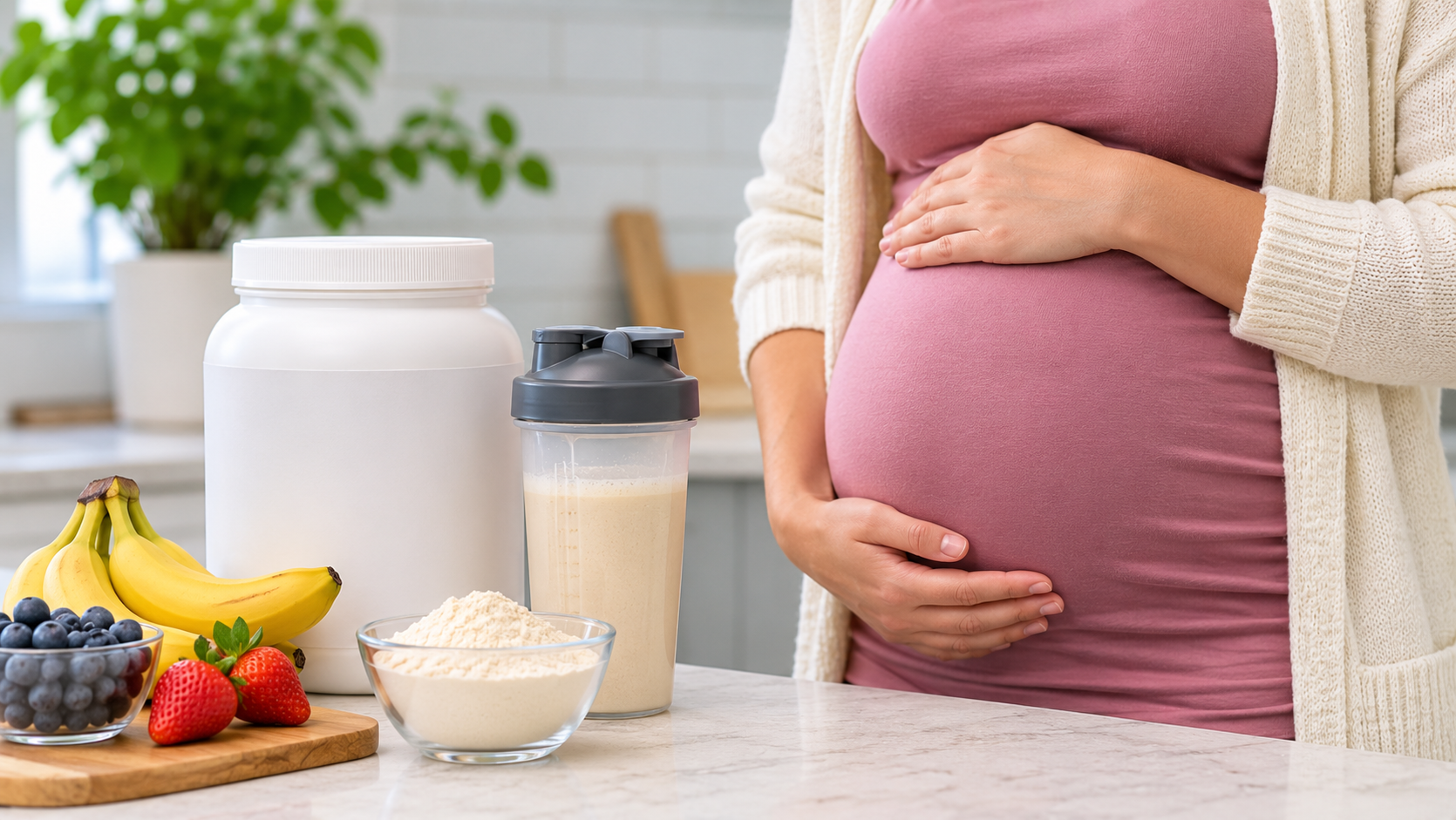
Pregnancy increases the body’s nutritional needs, making protein an important part of a healthy diet. Many expecting mothers wonder whether protein powder safe while pregnant is a realistic option for meeting their daily protein requirements.
Although some protein powders may be suitable during pregnancy, not every supplement is appropriate. Understanding the ingredients, potential risks, and nutritional benefits can help mothers make informed choices.
Is Protein Powder Safe While Pregnant?
Protein powder may be safe during pregnancy in certain circumstances, but it is not routinely necessary or recommended for everyone.
Most pregnant women can obtain sufficient protein through balanced meals containing eggs, dairy products, beans, poultry, fish, and other nutritious foods.
Some supplements contain additional ingredients that may be unsuitable during pregnancy.
Before using protein powder, consult your obstetrician, midwife, or registered dietitian to determine whether supplementation is appropriate.
Why Is Protein Important During Pregnancy?
Protein supports fetal growth, maternal tissue development, and the formation of important structures such as the placenta.
It also contributes to muscle maintenance and other essential body functions.
The commonly recommended dietary allowance during pregnancy is approximately 71 grams of protein daily, although individual requirements vary.
A balanced diet generally provides protein alongside other nutrients needed for a healthy pregnancy.
Types of Protein Powder During Pregnancy
Different protein powders contain different ingredients, making careful selection important.
1. Whey Protein Powder
Whey protein comes from milk and provides essential amino acids.
Plain whey protein may be considered when additional protein is needed, provided the product is suitable and approved by a healthcare professional.
Women with milk allergies should avoid whey protein.
2. Pea Protein Powder
Pea protein is a plant-based alternative suitable for people avoiding dairy.
It can provide additional dietary protein, although its suitability depends on the complete ingredient list and manufacturing quality.
3. Brown Rice Protein Powder
Brown rice protein is another plant-based option.
However, rice-based products may contain arsenic or other contaminants, making independent testing particularly important.
No protein powder should be assumed safe simply because it is labeled natural or organic.
Ingredients to Avoid in Pregnancy Protein Powders
When choosing a supplement, carefully examine the product label.
Potential concerns include:
- Added caffeine: May increase total daily caffeine consumption.
- Herbal blends: Some botanical ingredients lack sufficient pregnancy safety research.
- Excess vitamins: High amounts of certain nutrients, particularly preformed vitamin A, can be harmful.
- Heavy metals: Some products may contain lead, cadmium, or other contaminants.
- Unnecessary additives: Complex formulas may contain ingredients with limited pregnancy safety information.
Choose products with transparent labeling and credible independent testing.
How Much Protein Powder Can Pregnant Women Take?
There is no universally recommended daily serving of protein powder for pregnancy.
The appropriate amount depends on existing dietary protein intake, health conditions, and nutritional requirements.
Consuming excessive protein supplements is not automatically beneficial and may create an unbalanced diet.
Healthcare professionals can assess whether additional protein is needed.
Natural Alternatives to Protein Powder
Whole foods are generally the preferred source of protein during pregnancy.
Greek yogurt, eggs, lentils, beans, nuts, tofu, chicken, and low-mercury fish are nutritious options.
Combining these foods with vegetables, fruits, and whole grains helps provide a broader range of essential nutrients.
Should You Use Protein Powder While Pregnant?
Understanding whether protein powder safe while pregnant applies to your situation requires considering your overall diet and medical history.
For most expectant mothers, balanced meals provide adequate protein without supplements.
When supplementation is medically appropriate, a simple, independently tested product selected with professional guidance may be considered.
Prioritizing food quality, prenatal care, and individualized nutrition advice remains the safest approach.
